
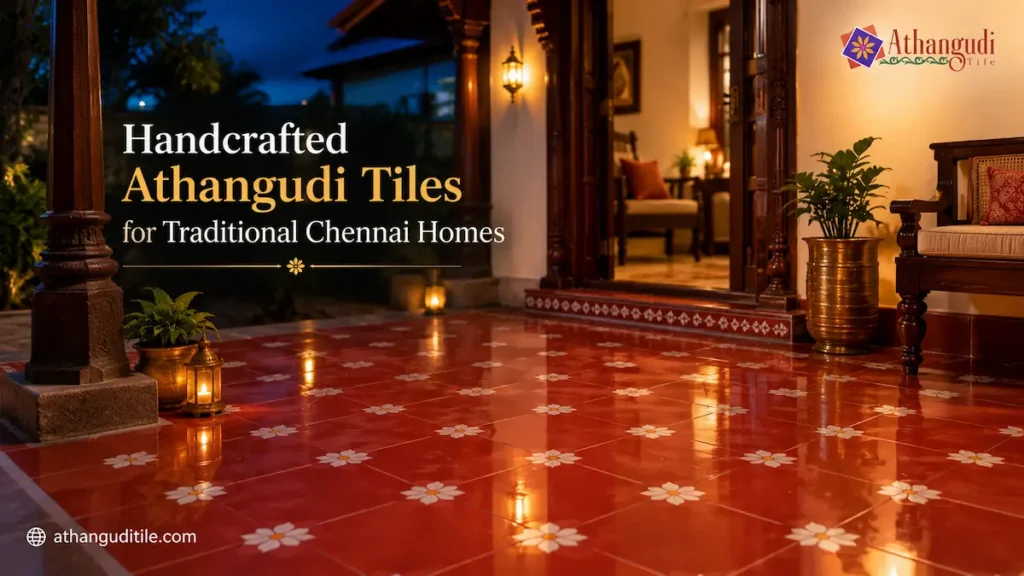
Handcrafted Athangudi Tiles for Traditional Chennai Homes
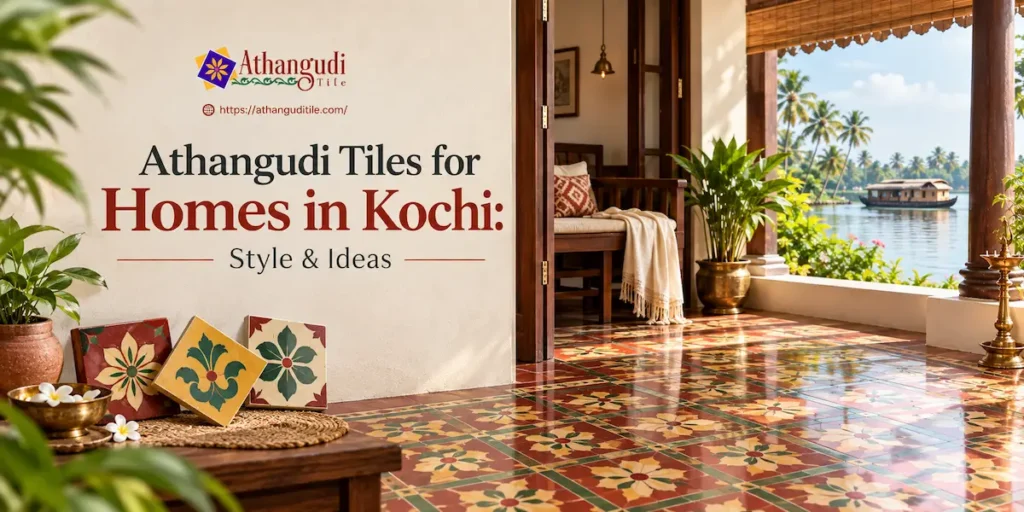
Traditional homes in Chennai have a special character shaped by warm colours, detailed patterns, spacious rooms, and a strong connection with South Indian design. For homeowners who want to bring this character into their interiors, handcrafted Athangudi tiles offer an attractive flooring and wall covering option. Their decorative patterns, rich colours, and handmade finish can add personality without making a space feel overly modern. Athangudi tiles for Chennai homes can work beautifully in living rooms, entrances, kitchens, courtyards, bedrooms, and other areas. They can also be combined with wooden furniture, natural materials, traditional décor, and simple contemporary elements. Why Athangudi Tiles Suit Chennai Homes Chennai homes often combine traditional architecture with practical modern living. This makes decorative flooring an important part of the overall interior design. Athangudi tiles can complement this style because they bring visible craftsmanship and detailed patterns to a space. Unlike plain flooring, patterned tiles can become part of the room’s visual identity. Homeowners can select colours and motifs according to the mood they want to create. Traditional Athangudi tiles are particularly suitable for spaces where homeowners want a cultural and handcrafted appearance. They can be used across an entire floor or introduced as a decorative feature in selected areas. The handmade character also makes every installation feel distinctive. Small variations in colour and pattern can contribute to the authentic appearance of the finished surface. Handcrafted Designs with South Indian Character One of the most noticeable features of Athangudi tiles is their decorative design. Floral forms, geometric patterns, borders, and traditional motifs can create a strong visual connection with South Indian interiors. Handcrafted tile designs can be selected according to the size and purpose of a room. Larger rooms may allow more detailed patterns, while smaller spaces can benefit from simpler motifs or carefully planned borders. For a traditional Chennai home, patterned tiles can work especially well with: The goal is not to fill every surface with patterns. A balanced combination of decorative flooring and simple surroundings can make the tile design stand out naturally. Colour Choices for Traditional Chennai Interiors Colour plays an important role when choosing tiles for a traditional home. Athangudi tiles are available in combinations that can range from earthy and muted tones to brighter decorative palettes. Athangudi tile colors can be selected based on existing walls, furniture, curtains, doors, and architectural details. For a warm traditional appearance, homeowners may consider combinations featuring terracotta, cream, yellow, green, blue, or earthy shades. More subtle combinations can create a calm appearance, while stronger contrasts can make the floor a central design feature. Before finalising a colour, it is useful to view a physical tile sample in the actual room. Natural and artificial lighting can change how colours appear. Best Places to Use Athangudi Tiles at Home Athangudi tiles can be used in several parts of a Chennai home. Their decorative character makes them particularly useful where flooring or wall surfaces are meant to contribute to the overall design. Living Room The living room is one of the most effective areas for patterned flooring. A carefully selected design can create a welcoming foundation for sofas, wooden furniture, rugs, and decorative pieces. Athangudi tiles for living rooms can cover the complete floor or be used to create a defined decorative area. Entrance and Foyer The entrance creates the first impression of a home. Patterned tiles can make this area more visually interesting without requiring additional decoration. A border design around the entrance can also create a traditional look while keeping the rest of the flooring simple. Courtyard Traditional South Indian homes often use courtyards as important architectural spaces. Athangudi tiles can complement these areas with their handmade appearance and decorative patterns. Athangudi tiles for courtyards can work particularly well alongside plants, wooden elements, natural light, and traditional seating. Kitchen A kitchen can also benefit from decorative flooring when the pattern is chosen carefully. Neutral cabinetry combined with patterned tiles can create an attractive contrast. For practical reasons, homeowners should also consider cleaning requirements and the specific finish before selecting tiles for a busy kitchen. Bedroom Bedrooms generally benefit from calmer visual elements. Soft coloured patterns can provide decorative interest without overwhelming the room. Athangudi tiles for bedrooms can be paired with wooden beds, cotton textiles, simple curtains, and warm lighting for a comfortable traditional atmosphere. Combining Traditional Tiles with Modern Elements A traditional home does not need to look old fashioned. One of the benefits of handcrafted tiles is their ability to work with both heritage-inspired and contemporary interiors. For example, patterned flooring can be combined with modern sofas, minimal lighting, clean furniture lines, and simple walls. This creates a balanced interior where traditional flooring becomes the main decorative element. Athangudi tiles for modern interiors can therefore be used even when the rest of the home follows a contemporary design direction. A useful approach is to select one strong traditional feature and keep the surrounding décor relatively simple. This helps maintain visual balance. “Good interior design brings together craftsmanship, comfort, and the character of the people who live in the space.” How to Select the Right Athangudi Tile Pattern Choosing a tile pattern is not only about personal preference. Room size, furniture placement, lighting, and surrounding colors should also be considered. For larger rooms, detailed motifs and repeating patterns can create a strong decorative effect. Smaller rooms may look better with patterns that have more open space. Athangudi tile patterns should also complement the architectural style of the property. Homes with traditional wooden doors, pillars, arches, or decorative windows may suit more classic patterns. For a mixed traditional-modern home, simpler geometric designs can create a smoother transition between old and new styles. It is also important to check the tile dimensions and layout before installation. A pattern can look different when repeated across a large floor compared with a small sample. Maintenance and Everyday Care Like any flooring material, handcrafted tiles require appropriate care. Regular sweeping or dust removal can help prevent dirt from building up