athanguditile.com

Author name: Athangudi Tiles

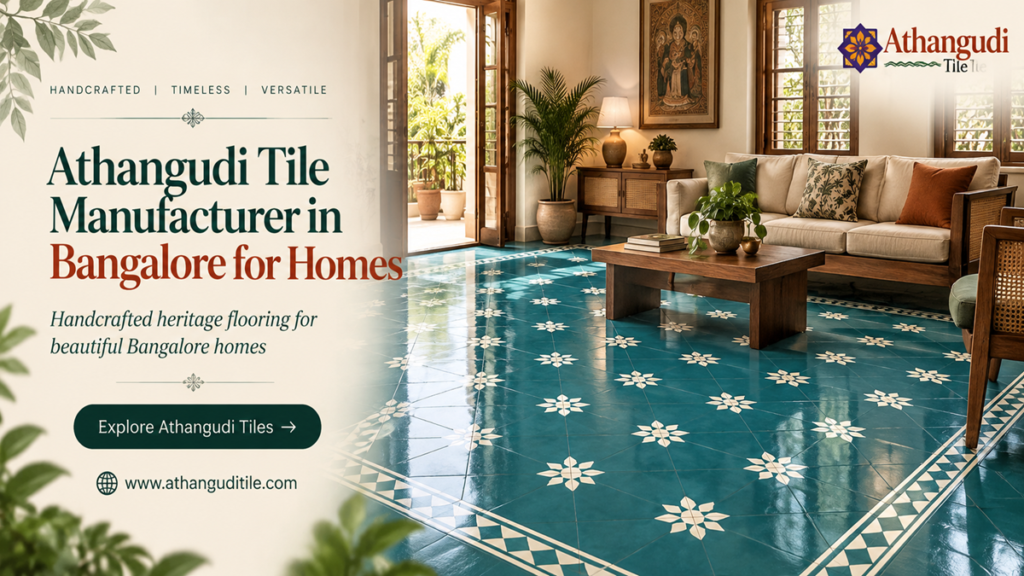
Athangudi tile manufacturer in Bangalore for homes with handcrafted teal floral patterned flooring
Athangudi Tiles

Athangudi Tile Manufacturer in Bangalore for Homes

Athangudi tiles offer a timeless solution for residential floors in Bangalore. If you want to give your villa or apartment a bespoke identity, these tiles deliver authentic warmth and artisanal character. Inspired by the Chettinad heritage of Tamil Nadu, local artisans craft each tile by hand using vibrant mineral colours and intricate geometric patterns. Unlike mass-produced factory tiles, authentic Athangudi tiles undergo a meticulous hand-casting process that creates lasting visual appeal. Beyond aesthetics, you must evaluate several practical factors when choosing a supplier in Bangalore. Always inspect material quality, artisan craftsmanship, colourfastness, and installation guidance before placing an order Why Athangudi Tiles Work Well for Bangalore Homes The kitchens and bathrooms in Bangalore homes allow for practicality in design, together with interior designing that is planned with the utmost care. For instance, a tile with the ability to greatly enhance the aesthetic value of the room makes for an integral aspect of the overall interior decor rather than only providing the flooring.Apart from their bedrooms, Athangudi tiles can be used for any area of the house such as the living room, entryway, reception area, courtyard, dining, and other feature spaces. Their traditional design can go well with wooden decor, neutral colored walls and the use of natural materials.If you are looking for a more unique style of flooring, you may wish to consider opting for Handcrafted Athangudi Tiles. Instead of having flooring that’s replicated across multiple homes, these tiles are unique due to their handmade construction. This can add a more Indian style to the area. What Makes Athangudi Tiles Different? What makes Athangudi tiles distinctive is the way they are made. They are traditionally created with ornamental motifs formed from coloured cement layers over a glass base, finished with further coats of cement and sand. This is then set and cured, after which the tiles are polished and glazed.As the pattern is applied during production, there is no ability to fix it as one would do if printing an image on a finished tile, making production rather more accurate but drawing dependence on the craftsperson!As a result, we end up with a flooring that feels very handcrafted, decorative in detail, and strongly connected to Indian craft. “A beautiful floor does more than fill a room; it becomes part of the character of the home.” Choosing the Right Manufacturer in Bangalore How to Select an Athangudi Tiles Manufacturer in Bangalore? Your residential project is incomplete unless you have the right Athangudi Tiles manufacturer. A good producer should be able to relate your design, colours, size, finish and the manufacturing process.Create a collection. Start with your overall design collection. Include enough to fit various decorating styles. For instance, traditional geometric patterns work well in craftsman or other heritage-inspired homes, while the sleeker designs work well for a more modern aesthetic.It is also going to be worth it to look for any customisation choices. Some manufacturers offer customised pattern and colour combinations, which will let homeowners manufacture their flooring as per their idea of interiors.Something else to remember is consistency. Just because a tile is handmade doesn’t mean it shouldn’t be good quality and finished properly. Popular Athangudi Tile Designs for Homes Design variety: One of the best design varieties of Athangudi flooring. The use of these flowers, designs, borders, repeat shapes, traditional, and empty designs can be made in any way.The Athangudi tile design you should go for can be selected depending on your room size and application. For example, the entrance/prime living space can have something more intricate and sophisticated, while the bedroom may have a more subdued look.Repeating a geometric pattern will give your large space a sense of order. Opt for a bigger pattern in a smaller room; the big design won’t feel massive in a small room.Another option is to use plain walls and simple furniture to balance out patterned flooring. This way, the floor becomes a feature of the room without the decor becoming too chaotic. Where Can You Use Athangudi Tiles? Athangudi tiles can be considered for several areas of a Bangalore home. Living Room The living room is one of the best places to introduce decorative flooring. A carefully selected pattern can create a strong foundation for the rest of the interior. Entrance and Foyer The entrance creates the first impression of a home. A traditional tile pattern can give this area a welcoming and distinctive appearance. Kitchen Athangudi flooring can add warmth and colour to a kitchen, especially when paired with wooden cabinets, neutral walls, or traditional furniture. Courtyard For homes with an open or semi-open courtyard, decorative tiles can strengthen the connection between architecture and traditional Indian design. Bedroom For bedrooms, homeowners can choose softer patterns and balanced colour combinations to create a calmer visual environment. Villa and Heritage Style Homes Large villas and homes with traditional architectural elements can provide enough space for detailed tile patterns to become a major design feature. Understanding Athangudi Tile Prices in Bangalore The Athangudi Tile Price in Bangalore can vary depending on several factors rather than having one fixed rate. Design complexity is one factor. A detailed pattern may require more careful workmanship than a simple design. Custom colours or customised patterns can also affect the overall cost. The quantity required for the project, tile specifications, finishing, transportation, and installation requirements may also influence the final budget. Instead of comparing tiles only by their initial price, homeowners should consider the complete project requirement. Asking the manufacturer for a project-specific quotation can provide a clearer understanding of the expected cost. It is also useful to calculate the required quantity carefully and keep some additional tiles for future replacement or repairs. Why Work With an Athangudi Tile Supplier? A reliable Athangudi Tile Supplier in Bangalore can make the purchasing process easier, especially for larger residential projects. A supplier can help homeowners understand available collections, quantities, delivery requirements, and suitable designs. For a complete home project, coordination between manufacturing, supply, and installation can also help reduce unnecessary
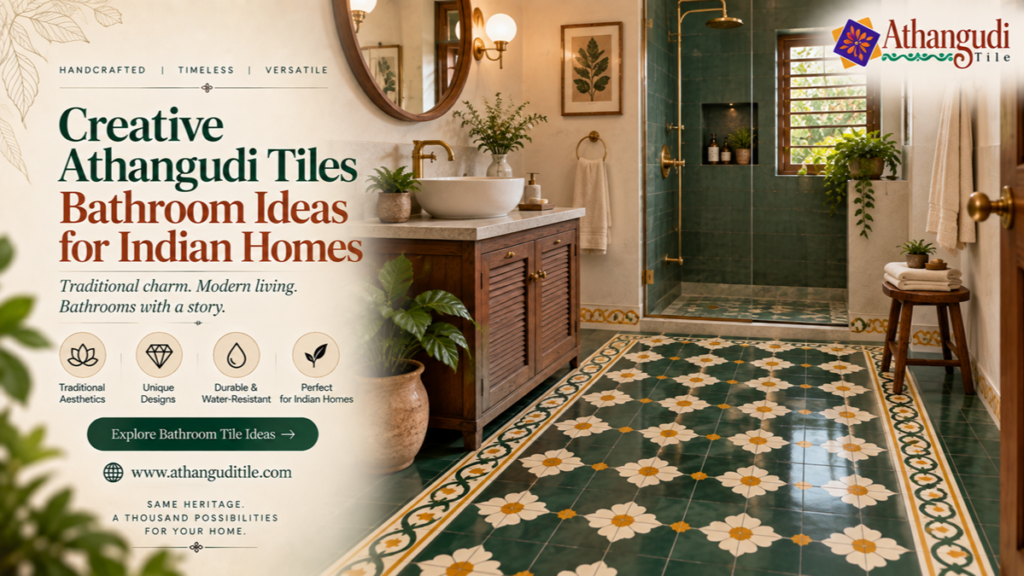
Creative Athangudi tiles bathroom ideas for Indian homes with green floral patterned flooring
Athangudi Tiles

Creative Athangudi Tile Bathroom Ideas for Indian Homes

Bathrooms have evolved from purely functional spaces in Indian homes into stylish spaces that blend aesthetics and comfort with individual preferences. The perfect tiles can transform the entire look of the bathroom – rendering it colorful, textured, and that much more stylish. If you’re looking for a bathroom that manages the charm of the traditional with a dash of innovation, Athangudi tiles are one to consider. Athangudi Tiles Bathroom Designs can be used in various planning options including colorful wall patterns to standard in style accents. Athangudi tiles are popular for their mind-blowing patterns and artistic designer models for they are wonderful to have for people who are after something apart from this uniform and modern surfaces. The Athangudi Bathroom Ideas for Indian Homes Welcome to our Athangudi Bathroom Ideas collection where you can find Athangudi bathroom room wall designs. The Athangudi bathroom color combinations, Athangudi small bathroom ideas, Athangudi bathroom tile patterns, and more are related to Athangudi bathroom design. Before reading this blog, what are the necessary points in Athangudi bathroom tiles? 2. Add Traditional Beauty with Athangudi Tiles Modern homes Indian homes tend to blend traditional and modern lifestyles. Athangudi tiles, for example, can be part of this style, thanks to the decorative nature of their designs and their handcrafted feel. The colors and patterns can provide some depth to a bathroom without having to add further accessories. “Let tradition meet modern living—Athangudi tiles bring handcrafted patterns, vibrant colors, and timeless Indian character to create bathroom spaces that feel both elegant and welcoming.” Create a feature wall You could incorporate patterned tiles behind a washbasin, within the surrounding wall by a mirror or splashback for maximum impact. This makes the pattern the focus while keeping the bathroom neutral. You could have a neutral-walled bathroom with wood-like accessories and a bright tiled feature wall for a welcoming environment. The tile style, surrounding materials, lighting, and layout determine the overall finish.Traditional Bathroom Tile Ideas A heritage-style home might be suitable for intricate patterns, while a more modern Indian style home might be more suitable for a basic layout of tiles. 3. Create Beautiful Bathroom Walls. Bright and colorful wall designs You can bring in some color to your bathroom wall by using a design on select walls. You can choose Athangudi tiles for some walls. Popular idea Back wall behind the washbasin is something that you see right away when you enter the bathroom, so it can be the main topic of the whole room with a beautiful tile pattern.Another thing you could do is purchase a decorative strip or some tiles which you can also attach to the wall. This is ideal if you want to incorporate some more traditional finishes to your bathroom while still keeping a clean look. However, the type of tile should be based on the purpose and technical suitability. Not all decorative tiles are practical in all moist areas. Contact the tile producer or supplier to learn about the amount of water used, maintenance requirements, and the most suitable locations for installation on bathroom walls. 4. Explore Colourful Athangudi Tile Combinations With the careful design of your bathroom, you’ll discover the power of color. When used to its advantage, you will create a more balanced environment, one that you’ll want to gaze upon.Athangudi tiling offerings are available in various ornamental patterns and color combinations, depending on the collections and brands. Some designs are available in pastel shades, others are in splashy hues, and yet others are geometric or floral. Here are some combinations to consider: Color Style Bathroom Design Idea Soft blue and white A fresh, calm wall design Green and cream A natural and warm appearance Terracotta and neutral tones A traditional-inspired look Black and white patterns A clean, contrasting feature Multi-color designs A decorative accent wall Things to Consider Before Selecting Bathroom Tile Colours In addition to selecting the design, think about how much space you have to work with and the amount of natural lighting that the bathroom receives. The less detail and colour scheme, the less noticeable the pattern.Aromatherapy when that is simply not enough… Of course, when the perfect mix is what complements the style you want, the bath you love and the other materials. 5. Creative Ideas for Small Indian Bathrooms Small bathroom design your goal for designing your small bathroom should be a functional room, not a cluttered room. Decorative tiles will work in a small bathroom, just don’t overdo it.A possible way to salvage it would be to use Athangudi tiles in one section- say, behind a wash basin or a feature wall. You can get the essence of craft design without having to extend the same throughout the wall space. Adding a touch of a simple mirror, closed storage, and fitting lights that suit your tiles can make the toilet look a lot more organized. Matching the tiles to those other details may make the restroom look a lot more coordinated. For Athangudi Tiles for Small Bathrooms: Bathrooms often have limited space, so avoid excessive decoration. Instead, create a defined accent zone to add character while maintaining the functionality of essential features. 6. Use Athangudi Patterns as a Design Feature Pattern is one of the most iconic designs of any decorative tiles. They can give your bathroom personality and are a way of creating the style that you are after.For a clean and straight uniform look stick with geometric designs. If you want colour pop and a artistic variety then floral designs and art work works best. Simple repeat designs always work well. You should do is to select a pattern that will go with the rest of the bathroom. If the tiled area has a very busy pattern then use more restrained accessories, surrounds and sanitary ware around it. Of course, this could be used with a more minimal mirror and separate basin so that the pattern on the tiles is not swamped by multiple others.Schedule your appointment for the tile pattern

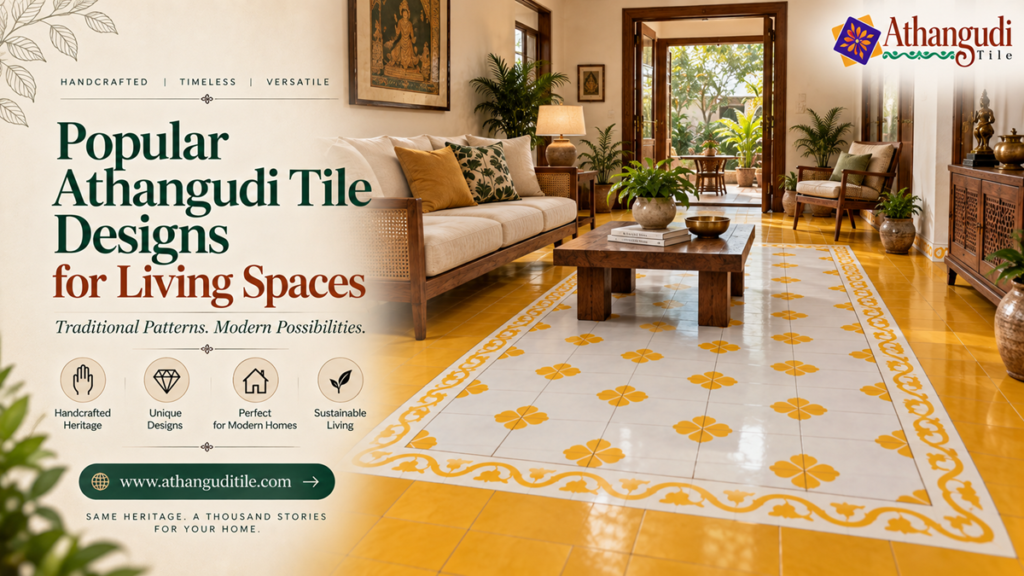
Popular Athangudi tile designs for living spaces with yellow floral patterns
Athangudi Tiles

Athangudi Tile Designs for Living Spaces: Modern Ideas for Your Home

Introduction Athangudi tiles are made by hand. That means there’s something very charming and rustic about their appearance. Because they are handmade, they feel quite at home in a traditional or modern space.  Handmade Athangudi tiles have a very detailed appearance that makes them suitable for use as decorative accents in a small space as well as for lining floorings.  Using these tiles introduces pattern variation into your space without bothering to change any aspect of the existing interior design. These tiles are available in various styles, from classic Indian motifs to abstract geometric patterns to minimal aesthetics or even floral designs. If you appreciate handcrafted materials with natural textures, handmade Athangudi tiles offer a beautiful way to bring an organic touch into your home. What Makes Athangudi Tile Designs Unique? Artisans handcraft every Athangudi tile, making each one unique. As a result, natural variations in colour and pattern add character to every floor. Each tile is different, and no two floors are the same, even factory-produced ones. This variation is what adds to the character of a handmade tile. In most cases this looks better than laying a floor that looks like a clean, new, ‘dry’ floor. Instead, these subtle variations add character and enhance the overall appearance of the floor. You may opt for traditional motifs, striking geometries, or intricate designs based on the mood you want to set and the space you would like to occupy (space capacity, furniture, ambient lighting, theme of the interiors, etc.). In the simpler rooms, a very detailed pattern could be the decor of the room; in the decorated rooms, a calmer pattern can provide a pleasing contrast. Popular Athangudi Tile Designs for Living Spaces Living spaces offer plenty of scope for experimenting with patterned flooring. The right Athangudi tile designs can become part of the room’s overall character rather than simply functioning as a flooring material.  Floral Athangudi Tile Patterns An amazing floral Athangudi flooring design adds a natural and cozy feeling to a room. Botanical and floral designs work especially well in minimalist spaces with simple furniture and understated décor. A floral-inspired floor can go well with the warm tones of timber furniture, lots of greenery around the house, neutral walls, and natural textiles. In a larger sitting area, a floral pattern can act as a really bold anchor point, although smaller floral patterns are also perfect for smaller rooms. Echo the pattern’s colours throughout the house by incorporating them into cushions, artwork, curtains, and other décor. Geometric Athangudi Tile Designs Bold and Structured: Geometric designs can add a bolder, more structured look to a space. Use repeating lines and shapes to create a striking visual statement, especially in rooms with simple, minimal interiors. In open living spaces, pairing a geometric patterned floor with more subdued aesthetics elsewhere can help it stand out. Neutral furniture and décor with simple walls can do the trick. Use this type of pattern to create a visual division between two zones in an open-plan layout. Traditional and Heritage Inspired Patterns They’re also very suitable for using an authentic craftsman-like feel in a traditional interior. Combine them with solid wood furniture, traditional furnishings, polished brass details, and natural fabric, matched with warm light. You can also use them freely without following traditional colour schemes. A paved heritage pattern floor could equally be the feature of a clean-lined design scheme with minimal furniture and architecture: “Traditional motifs provide a feeling of history, but they can seamlessly slip into modern interiors with a lot of thought.” Subtle Patterns for Minimal Interiors If you have other decorative objects in the room, more muted designs and quieter compositions give a more balanced feel. Subtle Athangudi tile designs can add texture and character without overpowering the space. Pair these designs with neutral wall finishes, simple furniture, comfortable fabrics, and minimal accents.This makes them appropriate for those who desire the character of their handmade flooring without having a very busy interior. Athangudi Flooring Ideas for Modern Homes Even if Athangudi tiles are not part of your traditional home, you can use them as feature elements in modern interiors. Pair them with rustic and contemporary furniture, neutral walls, modern architecture, and simple accessories to create a balanced look. Warm natural wood, minimal accessories, and lighting! That is how you introduce traditional craftsmanship to the modern home without making it look cluttered and busy! You could also focus on your Athangudi tiles as a feature on the floor or wall in your home and keep the other surfaces clean and understated. Pair motif-patterned floors with simple walls and furniture to create a space that celebrates both traditional and modern design styles. This is when you could make use of Athangudi flooring. The Athangudi flooring style will always be great in helping you set the theme of the room and make it all the more cohesive. For example, you could choose the same color family and patterned tiles and lay them out in the appropriate places, like between the living room and the dining room. Choosing the Right Athangudi Tile Colour Pick the color of the tile to suit the size of the room, the amount of light, existing furniture, wall colors, etc. Traditional Athangudi ranges in color from cream, yellow, green, blue, red, brown, etc., and other shades and bright colors. Imagine them with the furniture and lights before you decide on the color.  A bright color combination would look good in a big room and an airy one in a small room.  Think about how the color will look at different times of the day under different lights and with different wall colors and furniture. How to Choose the Right Athangudi Tile Design Don’t forget to factor in the size of your space, natural light, furniture style, the color of the walls, the scale of the pattern, and what you use the space for before deciding. A large complex pattern may become the feature in a large lounge room, and a

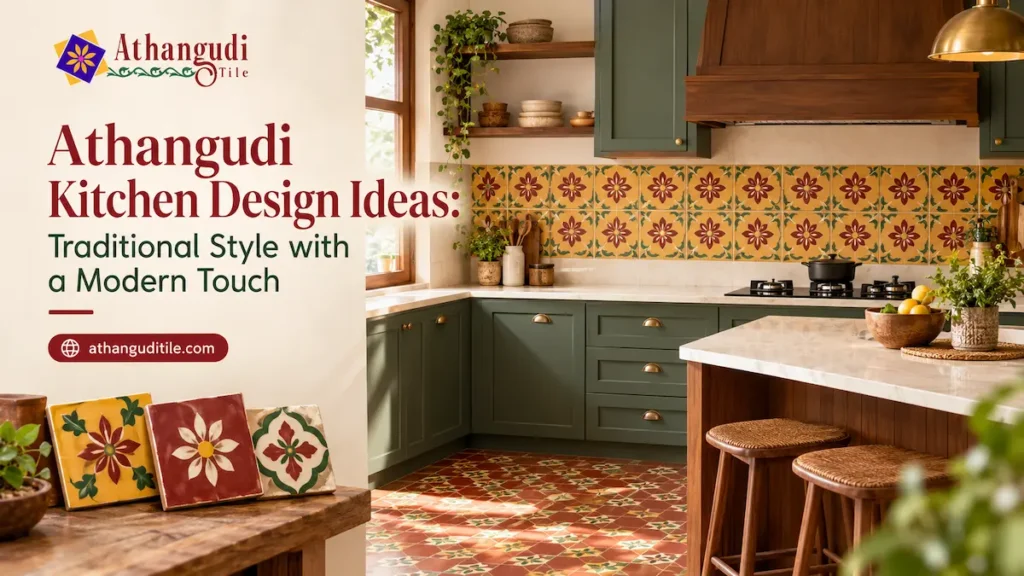
Open kitchen with handcrafted Athangudi tiles, wooden elements, green cabinets and traditional patterned tile accents
Athangudi Tiles

Athangudi Kitchen Design Ideas: Traditional Style with a Modern Touch

The kitchen is more than a place for preparing meals. It is one of the most active and important spaces in a home, where everyday routines, family conversations, and special moments often come together. Because of this, homeowners increasingly want kitchens that are practical but also have a strong visual identity. This is where Athangudi tiles can make a beautiful difference. Their handcrafted patterns, rich colors, and traditional character can add warmth and personality to a kitchen without making it feel outdated. With thoughtful planning, these tiles can be paired with modern cabinets, simple furniture, contemporary lighting, and practical kitchen layouts. If you are looking for Athangudi Kitchen Design Ideas, there are many creative ways to introduce these tiles. They can be used for flooring, backsplashes, selected walls, counters, or small decorative sections. The key is choosing the right pattern and placement according to your kitchen’s size, lighting, and overall style. Start with the Kitchen Layout Before selecting tiles, it is useful to understand the layout of the kitchen. A compact kitchen needs a different design approach from a large open plan kitchen. For smaller kitchens, lighter colors and controlled patterns can help maintain a spacious appearance. Instead of covering every surface with decorative tiles, you can use them on one backsplash or a limited flooring area. Larger kitchens provide more freedom. Homeowners can experiment with patterned flooring, colorful backsplashes, or decorative borders while keeping cabinets and countertops relatively simple. A well planned layout also makes it easier to decide where the tiles will have the greatest visual impact. Give the Backsplash a Decorative Role The backsplash is one of the easiest areas where traditional tiles can become a focal point. It sits directly behind the cooking and preparation areas, making it naturally noticeable. Athangudi kitchen backsplash designs can introduce handcrafted patterns without requiring major changes to the entire kitchen. A colorful pattern behind the stove can create a feature area, while a simpler design can be used across the remaining backsplash. For a modern appearance, pair patterned tiles with plain cabinets. White, cream, beige, wooden, or muted colored cabinets can allow the tile pattern to stand out without creating too much visual activity. Make the Floor Part of the Design Kitchen flooring has to combine appearance with everyday practicality. Traditional patterned tiles can give the floor a distinctive character and make even a simple kitchen more interesting. Athangudi tiles for kitchen flooring can be used throughout the room or within a selected area, depending on the desired effect. A central pattern can visually define the kitchen, while a more subtle design can create a consistent appearance. When selecting flooring, homeowners should also consider cleaning, moisture, foot traffic, and the suitability of the tile surface for kitchen use. Mix Traditional Patterns with Modern Cabinets Traditional tiles do not require a completely traditional kitchen. In fact, combining handcrafted tile patterns with modern cabinetry can create a balanced and attractive interior. Imagine simple handleless cabinets paired with a colorful tiled backsplash. The cabinets provide a clean contemporary appearance, while the tiles introduce pattern and craftsmanship. This approach is useful for homeowners who appreciate traditional design but still want a modern kitchen layout. Traditional kitchen tile designs can work particularly well when the rest of the kitchen uses simple shapes and limited decoration. “A beautiful kitchen becomes memorable when traditional craftsmanship meets thoughtful modern design.” Choose Colors That Complement the Space Color plays a major role in how kitchen tiles affect the overall atmosphere. Athangudi tiles are available in a variety of decorative combinations, so the choice should be based on the existing kitchen palette. If the cabinets are white, cream, or light wood, colorful tiles can add contrast. If the cabinets already have a strong color, a more balanced tile pattern may work better. Colorful kitchen tiles can create an energetic and welcoming atmosphere, while earthy or muted shades can produce a calmer appearance. It is also important to consider natural and artificial lighting. A design that looks balanced in a showroom may appear different in a darker kitchen. Create a Small Feature Instead of Covering Everything Sometimes, a small amount of decorative tile can have a greater impact than covering the entire kitchen. For example, you can create a narrow patterned strip between the countertop and cabinets. Another option is a small decorative section behind the stove or sink. Handcrafted kitchen tiles can also be used around a breakfast counter or a small open shelf. This gives the kitchen a personalized detail while keeping the overall design controlled. This approach is especially useful for homeowners who want traditional character without making the kitchen visually busy. Add Warmth with Wooden Elements Wood and handcrafted tiles naturally complement each other. Wooden cabinets, shelves, stools, or open storage can soften the appearance of colorful tile patterns. For a warm kitchen, consider combining traditional tiles with natural wood tones, simple lighting, and neutral countertops. Athangudi tile kitchen designs can look especially attractive with wood because both materials bring a sense of craftsmanship and natural warmth into the space. The combination does not have to look heavily traditional. Clean-lined wooden cabinets can create a modern foundation while the tiles provide the decorative detail. Make Open Kitchens More Interesting In an open plan home, the kitchen is often visible from the dining or living area. Because of this, its design needs to work with the surrounding interior. A patterned backsplash can act as a visual connection between the kitchen and nearby spaces. Similarly, a decorative tiled floor can help define the kitchen area without requiring a physical partition. Athangudi tiles for kitchen interiors can be particularly effective here because their traditional appearance adds character to an otherwise contemporary space. Keeping nearby furniture and walls relatively simple can help the kitchen remain visually connected to the rest of the home. Use Borders to Frame the Design Tile borders are another way to introduce traditional detailing without overwhelming the room. A narrow border can frame a backsplash, separate

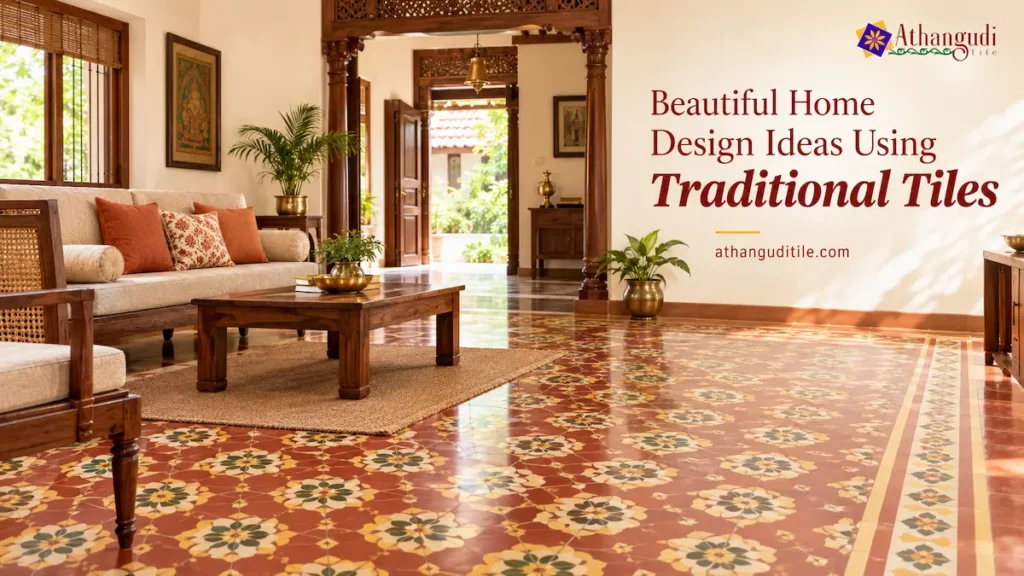
Beautiful home design with traditional Athangudi tiles and elegant Indian interiors
Athangudi Tiles

Beautiful Home Design Ideas Using Traditional Tiles

A beautiful home is just not about furniture, wall colors or decorative accessories. The flooring and surface of your wall also create that perfect ambiance. And traditional tiles allow one to add different colors, textures, patterns, and charm to the interiors of each space while still keeping the home warm and welcoming.However, these days many homeowners are looking for materials that provide something a little different from the typical modern surfaces we see. Traditional tiles are an ideal option to ensure an individual look for your home interior. Their hand made aesthetic, gorgeous patterns, and unique hues blend well within both traditional and contemporary interiors.Whether it is a living space, kitchen or bathroom, bedroom, entrance or courtyard, there are multiple ways in which traditional tile designs can be incorporated into a home without it looking old fashioned. With their colors, patterns, and ideal placement, these tiles add to the visual appeal of modern interiors. Why Traditional Tiles Still Work in Modern Homes But traditional doesn’t have to mean boring. Many traditional contemporary rooms use basic furniture, neutral walls, and plain walls with ornate traditional decorating tile to add interest while not making it feel overly full. When looking at traditional tiles for the home there is a large selection of choices when it comes to traditional patterns, colors, and finishes.A patterned tile floor can add character to a room that might otherwise be plain, and a bright color wall tiled makes an attractive feature wall behind furniture. Traditional tiles can also be incorporated in small areas without full tile covering in a room, on a decorative border, a brightly colored tiled front door, or even just using a little corner or dividing wall space in a contrasting tile pattern. “The right tile does more than cover a surface; it helps create the feeling of a room.” Make the Living Room More Welcoming Traditional Tiles for Living Room Spaces This is one of the most overexposed rooms in your home. It’s also a great space to add some decorative floor tiles. Rather than having a uniform floor finish throughout the whole room, try creating a pattern to break the design up a little. Traditional tiles for the living room work particularly well if your walls and furniture are very plain and uniform. If your tiles are multicolored, this can be offset with large amounts of lightly toned furniture. You could also just add the traditional tiles to a small section of the room, possibly a pattern in front of the coffee table, or as a decorative stripe around the edge of the room. For a more contemporary look, combine traditional flooring with modern, simple furniture and a fairly minimal decoration scheme. Add Character to the Kitchen The kitchen is another space where traditional tiles can make a strong visual difference. A patterned backsplash behind the cooking area can become a focal point while protecting the wall from everyday splashes. Traditional tiles for kitchen spaces can be selected according to the existing cabinets and countertops. If the kitchen has white or cream cabinets, colorful patterns can add energy. For darker cabinets, lighter tile designs can help maintain an open appearance. Homeowners can also use tiles on the floor. A small patterned section near the sink or cooking area can create a decorative zone while keeping the rest of the kitchen simple. When choosing kitchen tiles, consider cleaning and maintenance along with appearance. A beautiful design should also suit the practical requirements of a frequently used space. Create a Calm Bedroom Setting Bedrooms usually benefit from softer colors and less visual activity. Traditional tiles do not always have to be bright or heavily patterned. Subtle patterns and muted shades can introduce character while maintaining a peaceful atmosphere. Athangudi tiles for home interiors can be used as a decorative feature around a dressing area, reading corner, or small wall section. If patterned flooring is preferred, choose a design that works well with plain bedding and simple furniture. A carefully selected tile design can also complement natural materials such as wood, cotton, linen, and cane. These combinations can make the bedroom feel comfortable and connected to traditional craftsmanship. The goal is not to fill every surface with patterns. One carefully planned tiled element can often create enough personality for the room. Give the Bathroom a Distinctive Look Bathrooms are ideal for experimenting with decorative surfaces because even a small area can create a noticeable design effect. Traditional tiles can be used on floors, shower walls, vanity backsplashes, or selected wall sections. For a compact bathroom, lighter-colored tiles can help the area feel more spacious. In larger bathrooms, stronger patterns can be introduced as a feature wall or floor design. Traditional tile designs can also be combined with brass fittings, wooden accents, natural stone, or simple white sanitaryware. These combinations allow the tiles to remain the main decorative element while keeping the bathroom visually balanced. Before selecting bathroom tiles, homeowners should consider slip resistance, water exposure, cleaning requirements, and the suitability of the tile for the intended surface. Turn the Entrance into a Design Feature The entrance gives visitors their first impression of a home. Instead of keeping this area completely plain, traditional tiles can create an attractive transition between the outside and inside. A patterned floor at the entrance can immediately introduce the home’s design style. Alternatively, a small tiled border can frame the doorway or entry path. This is also a useful place to use stronger patterns because the entrance usually does not contain as much furniture as a living room or bedroom. A carefully chosen design can make the space memorable without requiring additional decoration. Bring Traditional Style to Courtyards and Open Areas Courtyards, balconies, and semi-open spaces can benefit from decorative flooring. Traditional tiles can add warmth to these areas and create a stronger connection between indoor and outdoor spaces. For homeowners interested in traditional floor tiles for home, courtyard flooring is an excellent area to consider. Patterned tiles can define

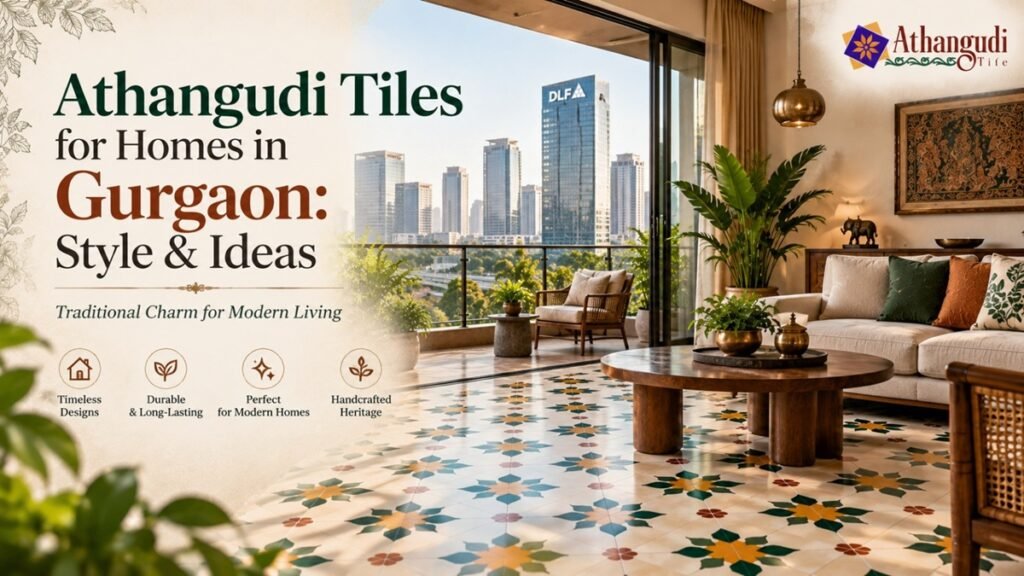
Athangudi Tiles for Homes in Gurgaon with Traditional Floral Tile Designs
Athangudi Tiles

Athangudi Tiles for Homes in Gurgaon: Style & Ideas

Modern architecture in Gurgaon seamlessly blends with traditional design. This pairing creates luxurious, deeply personal home interiors. The right flooring weaves these diverse styles together. In addition, handcrafted tiles bring vibrant colour, rich texture, and distinct personality to your living space. Athangudi tiles suit homeowners who want to impart authentic Indian style and artisanal flair to their floors. Athangudi tiles are manual and traditional products and are suitable for living rooms, kitchens, bedrooms, balconies, courtyards, entrances, and other suitable areas.  These decorative designs are not just flooring material but can also be a vital part of interior decor. Visitors looking for Athangudi Tiles in Gurgaon, let us help you figure out the designs, suitable location, colour combinations, installation, aftercare, and the significant points to remember before buying. Why Athangudi Tiles Suit Gurgaon Homes Athangudi tiles are manual and traditional products and suitable for living rooms, kitchens, bedrooms, balconies, courtyards, entrances, and other suitable areas. These decorative designs are not just flooring material but can also be a vital part of interior decor. Visitors looking for Athangudi Tiles in Gurgaon, let us help you figure out Gurgaon interiors, which can also include contemporary décor, furniture, and design with the modern feel of clean-lined architecture, neutral walls, and contemporary design. Handcrafted Athangudi tiles can also add traditional craftsmanship while still maintaining the modern look of Gurgaon interiors. The handcrafted look of these tiles can display subtle differences in colouring or design, resulting in the finished floor having a distinctive character that cannot be duplicated by mass-produced floors. The designs, suitable locations, colour combinations, installation, and aftercare, and the significant points to remember before buying. Another benefit is design adaptability. Homeowners may opt for striking geometric designs in prominent areas or subtler patterns for spaces where they prefer a more discreet look. “A lovely floor does more than just cover a room; it aids in shaping the identity of the area.” Homeowners seeking classic tiles for their residences can therefore consider Athangudi tiles for both modern and heritage-themed interiors in Gurgaon. Choosing Athangudi Tile Designs for Different Rooms The versatility of Athangudi Tiles for Homes in Gurgaon allows homeowners to select different patterns and colours for different areas instead of using the same Athangudi tile designs throughout the property. Home Area Suitable Tile Approach Interior Effect Living Room Floral or geometric patterns Warm and decorative Entrance Bold traditional motifs Welcoming first impressions Kitchen Balanced patterns Practical yet attractive Bedroom Soft colors and subtle designs Calm and comfortable Balcony Simple patterned tiles Fresh traditional look Courtyard Strong geometric designs Heritage-inspired character This approach allows different rooms to have their own personality while maintaining a consistent handcrafted theme throughout the home. Living Room Ideas with Athangudi Tiles The lounge is definitely one of the greatest spaces for displaying ornamental flooring. Athangudi tiles for the living room could be a decorative base, which goes along nicely with furniture, minimalistic wood components, colored walls, and modern decor. In minimalist living room decor, a daring geometric or floral print may be the star of the show.  In case the room is already filled with elements of decor, a much more laid-back layout of tiles may create a more peaceful appearance.  Rugs can be used to define a seating area and still break up some of the patterned floor surface. That may work especially well in good-sized Gurgaon homes with open-concept living and eating areas. Athangudi Tiles for Gurgaon Kitchens Kitchens are where flooring has to be practical yet aesthetically pleasing at the same time. Athangudi tiles for the kitchen can certainly bring colour and pattern to a fairly minimal kitchen. Patterned flooring can also work well with simple cabinetry and light wall colours.  Wooden cabinetry and other natural finishes can further emphasise the natural qualities of the artisan tile.  Before settling on several tiles for the kitchen, consumers will need to check in with the tile supplier or contractor to find out the best finish, installation style, upkeep, and suitability of their chosen tile. Creating a Calm Bedroom Interior Soft patterns and matching colours are some of the best things that bedrooms can offer. Instead of choosing an overly detailed design, the residents have the option to go for a light pattern or gentle colour combinations.  Athangudi tiles can look amazing next to a moderate-colored wall, lightweight curtains, cotton textiles, off-white walls, and minimal adornments. This allows the flooring to display old art forms to the fullest while ensuring a cosy and peaceful bedroom. Ideas for Entrance and Foyer Design Each initial impact of a house is created by the hall area, and also it is the ideal place to develop one of a kind and also special designs of floor tiles. An attractive Athangudi-style or ornamental border can be made use of to attract your foyer area. In a situation if the doorway area opens straight right into the sitting room, you can paint the shades from the tile in furnishings and also pillows or in lots of other decorative points. Balconies and Courtyards Balconies, terraces, patios, and courtyards in Gurgaon homes are perfect locations for classic materials that add charm and have an inviting touch. The Athangudi floor tiles are suitable for both outdoor and semi-outdoor applications in Gurgaon homes, and they enhance such features as plants, wooden furniture, natural finishes, and earthy ornaments.  For outdoor or semi-outdoor applications, homeowners should select the appropriate style that meets the end use, which needs to be installed after considering surface preparation, drainage, exposure, and installation criteria. How to Match Athangudi Tiles with Modern Interiors Athangudi tiles are not limited to old-fashioned dwellings. When used, Athangudi tile craftsmen work with their intricate motifs can also be combined with a fashionable house motif. As one approach to establish this, one can give the décor of a room a floor feature that can be contrasted with the walls, the furniture, and other décor by keeping the rest of the room’s décor simple. An Athangudi-patterned floor in a Gurgaon home with

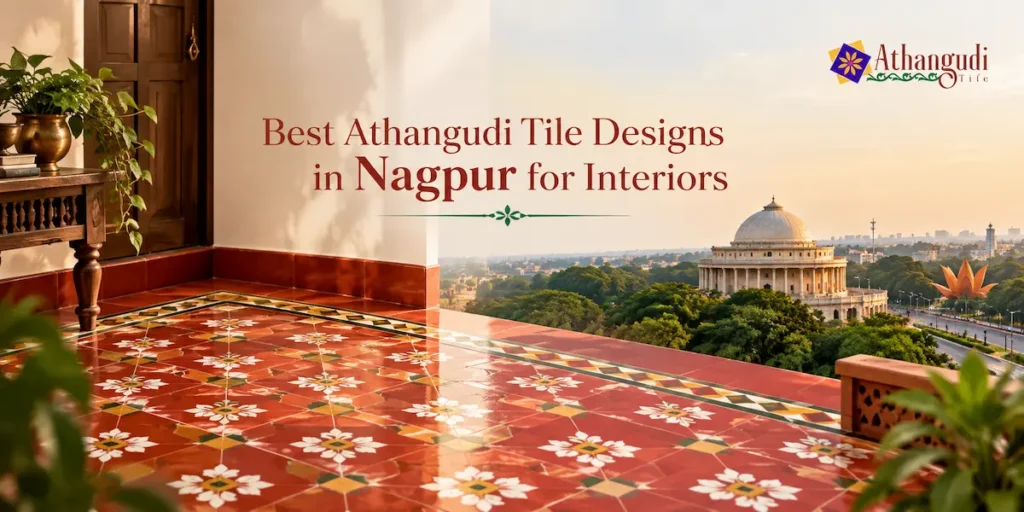
Best Athangudi tile designs in Nagpur featuring traditional patterned flooring in a premium interior
Uncategorized

Best Athangudi Tile Designs in Nagpur for Interiors

Choosing the right tiles can completely change the look and feel of an interior. For homeowners in Nagpur who want something artistic, traditional, and different from ordinary flooring options, Athangudi tiles offer an attractive choice. These handcrafted tiles feature detailed patterns, rich colours, and traditional charm. Athangudi Tile Designs in Nagpur are suitable for different spaces, including living rooms, bedrooms, kitchens, balconies, courtyards, and entryways. Their decorative appearance allows homeowners to create interiors that feel warm and distinctive without relying heavily on additional decoration. This guide explains different tile design ideas, suitable spaces, selection tips, maintenance requirements, and important things to consider before buying Athangudi tiles for a home in Nagpur. Why Athangudi Tiles Are Different Athangudi tiles have a handmade character that makes them different from many factory-produced tiles. Their patterns are created with careful attention to color, shape, and detailing. Small variations can occur because of the handcrafted process, giving every tile arrangement a slightly individual appearance. For homeowners looking for handcrafted tiles in Nagpur, Athangudi tiles can add a decorative layer to an interior while still functioning as practical flooring or wall surfaces. Their designs commonly include geometric patterns, floral details, borders, and traditional motifs. Depending on the selected pattern and color combination, they can work with both traditional and contemporary interiors. “A well chosen tile design can become part of the personality of a room rather than simply covering its floor.” Popular Athangudi Tile Designs for Nagpur Homes The best design depends on the size of the room, furniture, lighting, and overall interior theme. Here are some options homeowners can consider. Geometric Pattern Tiles Geometric patterns are a practical choice for modern interiors. Repeating shapes can create a structured appearance and work particularly well in living rooms, passages, and open areas. Neutral combinations can provide a subtle look, while stronger colors can make the floor a visual feature. Floral and Decorative Patterns Floral patterns bring a softer decorative feel to a room. Use them in bedrooms, sitting areas, or smaller spaces where the flooring can create visual interest. When using detailed designs, keeping the walls and furniture relatively simple can help maintain balance. Border and Center Designs Another approach is to use patterned tiles in the center of a room with a complementary border around the edges. This arrangement can visually define a space without requiring a separate rug. It can work well in larger living rooms, entrance areas, and courtyards. Traditional Motifs with Modern Interiors Traditional patterns do not necessarily require a traditional home. Pair traditional tiles in Nagpur with modern furniture, clean walls, wooden elements, and simple lighting to create a balanced look. The contrast between handcrafted patterns and contemporary furniture can create an interesting interior style. Athangudi Tiles for Different Interior Spaces One of the advantages of Athangudi tiles is their flexibility. The same tile category can be used differently depending on the room. Living Room The living room is one of the most suitable places for decorative tile flooring. A carefully selected pattern can become the central visual element of the room. For a smaller living room, medium or subtle patterns may be easier to balance. Larger rooms can accommodate more detailed designs. Bedroom For bedrooms, softer colors and less complicated patterns can create a calm atmosphere. Athangudi tile in Nagpur can be combined with wooden furniture, neutral bedding, and warm lighting for a comfortable appearance. Kitchen In kitchens, tiles should complement cabinets and countertops rather than compete with them. Patterned flooring can work well with plain cabinets, while a simpler tile can balance a more decorative kitchen design. Balcony and Courtyard Athangudi tiles can also add character to semi-open spaces. A patterned floor in a balcony or courtyard can create a visually distinct area for seating, plants, or relaxation. Entrance Area The entrance is the first part of a home visitors see. A decorative tile arrangement can create a welcoming transition between the exterior and interior. How to Choose the Right Athangudi Design Selecting a beautiful pattern is only one part of the process. The design should also suit the space where it will be installed. Consider Room Size Large patterns can look impressive in spacious rooms but may feel visually busy in a small area. Smaller or more repetitive designs can be easier to manage in compact spaces. Match the Color Scheme Look at your existing walls, furniture, doors, curtains, and other interior elements before selecting a tile. If the room already contains strong colors, a balanced tile pattern may work better. Think About Lighting Natural and artificial lighting can affect how tile colors appear. It is useful to view the selected tile under lighting similar to the final installation environment. Decide Between Flooring and Accent Areas Athangudi tiles do not always have to cover an entire room. They can also be used as an accent area, border, entryway feature, or decorative section. This approach can add character while keeping the overall design controlled. A Simple Comparison of Design Applications Design Type Suitable Space Interior Effect Best For Geometric Living Room Structured and modern Contemporary homes Floral Bedroom Soft and decorative Relaxed interiors Border Pattern Hallways & Rooms Defined appearance Larger spaces Center Pattern Living Room Strong focal point Spacious interiors Traditional Motif Courtyard Cultural and artistic Heritage-style themes Simple Pattern Kitchen Balanced and clean Modern kitchens Combining Athangudi Tiles with Modern Decor A common misconception is that traditional tiles only work with traditional furniture. In reality, the right combination can make them suitable for contemporary homes. Try pairing patterned flooring with simple sofas, wooden furniture, neutral walls, minimal accessories, and modern lighting. This allows the tile design to remain visible without making the room look overcrowded. For a more traditional appearance, combine the tiles with wooden furniture, brass details, handcrafted accessories, and warm-toned lighting. The key is balance. If the flooring is highly detailed, the rest of the room can remain relatively simple. Athangudi Tiles for Modern Interiors in Nagpur Homeowners searching for Athangudi tiles for modern interiors

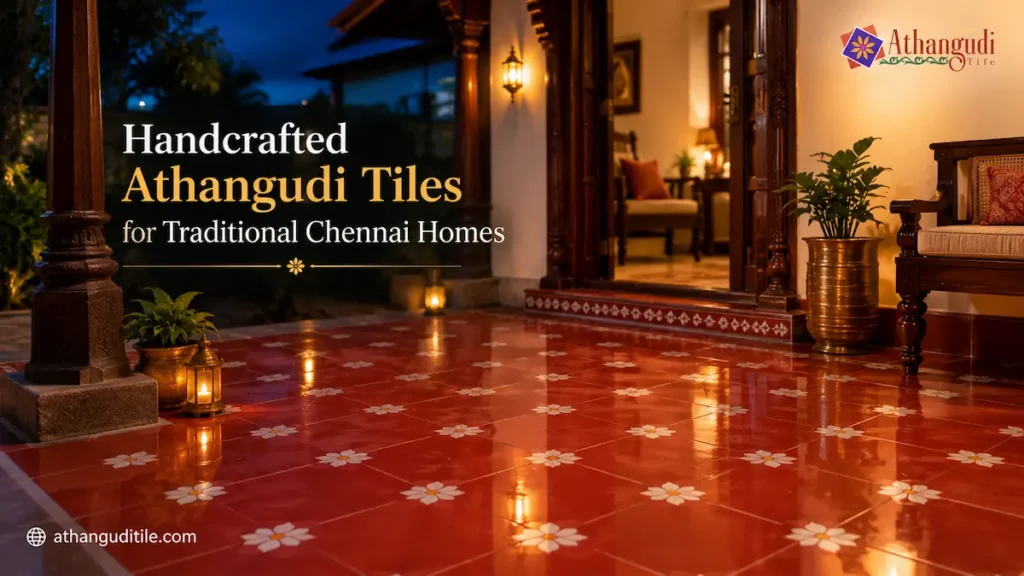
Handcrafted Athangudi tiles flooring in a traditional Chennai home with warm evening lighting
Athangudi Tiles

Handcrafted Athangudi Tiles for Traditional Chennai Homes

Traditional homes in Chennai have a special character shaped by warm colours, detailed patterns, spacious rooms, and a strong connection with South Indian design. For homeowners who want to bring this character into their interiors, handcrafted Athangudi tiles offer an attractive flooring and wall covering option. Their decorative patterns, rich colours, and handmade finish can add personality without making a space feel overly modern. Athangudi tiles for Chennai homes can work beautifully in living rooms, entrances, kitchens, courtyards, bedrooms, and other areas. They can also be combined with wooden furniture, natural materials, traditional décor, and simple contemporary elements. Why Athangudi Tiles Suit Chennai Homes Chennai homes often combine traditional architecture with practical modern living. This makes decorative flooring an important part of the overall interior design. Athangudi tiles can complement this style because they bring visible craftsmanship and detailed patterns to a space. Unlike plain flooring, patterned tiles can become part of the room’s visual identity. Homeowners can select colours and motifs according to the mood they want to create. Traditional Athangudi tiles are particularly suitable for spaces where homeowners want a cultural and handcrafted appearance. They can be used across an entire floor or introduced as a decorative feature in selected areas. The handmade character also makes every installation feel distinctive. Small variations in colour and pattern can contribute to the authentic appearance of the finished surface. Handcrafted Designs with South Indian Character One of the most noticeable features of Athangudi tiles is their decorative design. Floral forms, geometric patterns, borders, and traditional motifs can create a strong visual connection with South Indian interiors. Handcrafted tile designs can be selected according to the size and purpose of a room. Larger rooms may allow more detailed patterns, while smaller spaces can benefit from simpler motifs or carefully planned borders. For a traditional Chennai home, patterned tiles can work especially well with: The goal is not to fill every surface with patterns. A balanced combination of decorative flooring and simple surroundings can make the tile design stand out naturally. Colour Choices for Traditional Chennai Interiors Colour plays an important role when choosing tiles for a traditional home. Athangudi tiles are available in combinations that can range from earthy and muted tones to brighter decorative palettes. Athangudi tile colors can be selected based on existing walls, furniture, curtains, doors, and architectural details. For a warm traditional appearance, homeowners may consider combinations featuring terracotta, cream, yellow, green, blue, or earthy shades. More subtle combinations can create a calm appearance, while stronger contrasts can make the floor a central design feature. Before finalising a colour, it is useful to view a physical tile sample in the actual room. Natural and artificial lighting can change how colours appear. Best Places to Use Athangudi Tiles at Home Athangudi tiles can be used in several parts of a Chennai home. Their decorative character makes them particularly useful where flooring or wall surfaces are meant to contribute to the overall design. Living Room The living room is one of the most effective areas for patterned flooring. A carefully selected design can create a welcoming foundation for sofas, wooden furniture, rugs, and decorative pieces. Athangudi tiles for living rooms can cover the complete floor or be used to create a defined decorative area. Entrance and Foyer The entrance creates the first impression of a home. Patterned tiles can make this area more visually interesting without requiring additional decoration. A border design around the entrance can also create a traditional look while keeping the rest of the flooring simple. Courtyard Traditional South Indian homes often use courtyards as important architectural spaces. Athangudi tiles can complement these areas with their handmade appearance and decorative patterns. Athangudi tiles for courtyards can work particularly well alongside plants, wooden elements, natural light, and traditional seating. Kitchen A kitchen can also benefit from decorative flooring when the pattern is chosen carefully. Neutral cabinetry combined with patterned tiles can create an attractive contrast. For practical reasons, homeowners should also consider cleaning requirements and the specific finish before selecting tiles for a busy kitchen. Bedroom Bedrooms generally benefit from calmer visual elements. Soft coloured patterns can provide decorative interest without overwhelming the room. Athangudi tiles for bedrooms can be paired with wooden beds, cotton textiles, simple curtains, and warm lighting for a comfortable traditional atmosphere. Combining Traditional Tiles with Modern Elements A traditional home does not need to look old fashioned. One of the benefits of handcrafted tiles is their ability to work with both heritage-inspired and contemporary interiors. For example, patterned flooring can be combined with modern sofas, minimal lighting, clean furniture lines, and simple walls. This creates a balanced interior where traditional flooring becomes the main decorative element. Athangudi tiles for modern interiors can therefore be used even when the rest of the home follows a contemporary design direction. A useful approach is to select one strong traditional feature and keep the surrounding décor relatively simple. This helps maintain visual balance. “Good interior design brings together craftsmanship, comfort, and the character of the people who live in the space.” How to Select the Right Athangudi Tile Pattern Choosing a tile pattern is not only about personal preference. Room size, furniture placement, lighting, and surrounding colors should also be considered. For larger rooms, detailed motifs and repeating patterns can create a strong decorative effect. Smaller rooms may look better with patterns that have more open space. Athangudi tile patterns should also complement the architectural style of the property. Homes with traditional wooden doors, pillars, arches, or decorative windows may suit more classic patterns. For a mixed traditional-modern home, simpler geometric designs can create a smoother transition between old and new styles. It is also important to check the tile dimensions and layout before installation. A pattern can look different when repeated across a large floor compared with a small sample. Maintenance and Everyday Care Like any flooring material, handcrafted tiles require appropriate care. Regular sweeping or dust removal can help prevent dirt from building up

Athangudi Tiles for Homes in Ahmedabad with heritage-inspired design
Uncategorized

Athangudi Tiles for Homes in Ahmedabad: Style & Ideas

Ahmedabad homes are changing with new interior trends, but many homeowners still want materials that bring warmth, character, and a connection to Indian craftsmanship. Athangudi Tiles for Homes in Ahmedabad offer an attractive way to bring handmade patterns and traditional detailing into modern residential spaces. These tiles are known for their distinctive designs, strong visual appeal, and handcrafted character. They can be used to create a feature floor, define a particular room, or add a decorative layer to an otherwise simple interior. From a spacious family room to a compact entryway, the right Athangudi tile design can change the feel of a space without requiring excessive decoration. For homeowners considering Athangudi Tiles in Ahmedabad, the important part is not simply choosing a beautiful pattern. The tile should also suit the room, furniture, lighting, colour palette, and practical needs of the household. Give Your Home a Distinctive Floor Identity Flooring covers a large part of any room, so its design can strongly influence the overall appearance of the interior. Athangudi tiles can make this surface more expressive through geometric arrangements, floral motifs, borders, and traditional colour combinations. A patterned floor can work particularly well when the rest of the room is kept simple. Plain walls, wooden furniture, natural fabrics, and understated décor allow the tile pattern to remain visible without making the room feel overloaded. For homeowners who want handcrafted Athangudi tiles, this combination of simplicity and detailed flooring can create an interesting contrast between traditional workmanship and present-day interiors. “A well-chosen floor can become the quiet design feature that brings an entire room together.” Create a Strong First Impression at the Entrance The entrance is often overlooked when selecting decorative flooring. However, it is one of the first areas people see when they enter a home. A carefully selected Athangudi pattern can make the entrance feel more welcoming and visually complete. A smaller foyer may benefit from a repeating motif, while a larger entrance can accommodate a stronger design with a border. The tile colour can also be coordinated with the main door, wall finish, console table, or other entryway details. This creates a connected appearance without needing matching décor everywhere. Bring Character to Ahmedabad Living Spaces The living room is one of the most flexible places to use decorative flooring. Athangudi tile designs for home interiors can provide a detailed base for both traditional and contemporary furniture. If your living room has neutral sofas and simple walls, a colourful patterned floor can provide visual interest. On the other hand, if the room already contains bold furniture or artwork, a more restrained tile pattern may create better balance. Large living areas can also use tile patterns to visually separate sitting and dining zones. Instead of building a physical divider, a change in flooring pattern or border can subtly mark different parts of an open-plan room. Add Warmth to Dining Areas Dining spaces can benefit from flooring that feels welcoming and decorative. Athangudi tiles can work particularly well with wooden dining tables, cane furniture, simple pendant lights, and neutral wall shades. A border around the dining area can create a defined zone while keeping the floor connected to the surrounding room. This is useful in homes where the dining space opens directly into the living room. For a smaller dining area, choosing a design with moderate detailing can help maintain an open visual feel. A Practical Design Direction for Kitchens Kitchen interiors often combine cabinets, counters, appliances, and storage, leaving the floor as an opportunity to introduce pattern. Athangudi tiles for kitchen flooring can provide that decorative element while keeping the walls and cabinets relatively clean in appearance. A patterned floor can look especially effective with white, cream, wooden, or muted colour cabinetry. Before selecting tiles for a kitchen, homeowners should consider everyday cleaning, moisture exposure, installation conditions, and the specific finish of the chosen tile. The goal should be to choose a design that looks attractive while remaining suitable for the way the kitchen is actually used. Turn a Quiet Corner into a Feature Not every home needs patterned tiles across every room. Sometimes a smaller application can have a stronger design effect. A reading corner, prayer area, small passage, or transition space can use a distinctive Athangudi pattern as a feature. This approach allows homeowners to introduce traditional detailing without changing the entire flooring scheme. It can also be useful when the rest of the home already has contemporary flooring and the homeowner wants one area with a more handcrafted appearance. Bedroom Floors with a Softer Visual Approach Bedrooms usually need a comfortable and peaceful atmosphere. This does not mean that decorative tiles cannot be used. The key is choosing a pattern and colour combination that does not dominate the room. Soft tones, balanced motifs, and simpler layouts can work with wooden beds, neutral bedding, fabric curtains, and minimal furniture. Homeowners looking for traditional tile flooring for bedrooms can consider Athangudi designs that add detail while keeping the overall room visually relaxed. Make Balconies More Inviting A balcony can become much more than a small outdoor extension. With the right flooring, it can become a comfortable place for morning tea, plants, or casual seating. Athangudi tiles can introduce pattern and colour to a balcony while working with planters, wooden chairs, woven furniture, and natural textures. For exposed balconies, the suitability of the tile should always be checked according to the area’s weather exposure, water drainage, and installation conditions. The surface beneath the tiles also needs proper preparation. Pair Traditional Patterns with Contemporary Décor One common concern is that traditional tiles may make a modern home look old-fashioned. In reality, the surrounding design determines much of the final appearance. A contemporary interior can pair Athangudi patterned tiles with straight-lined furniture, modern lighting, neutral paint, glass elements, and simple décor. The contrast can make the floor more noticeable while keeping the room current. Another approach is to use a traditional pattern in an otherwise minimalist space. With fewer decorative objects

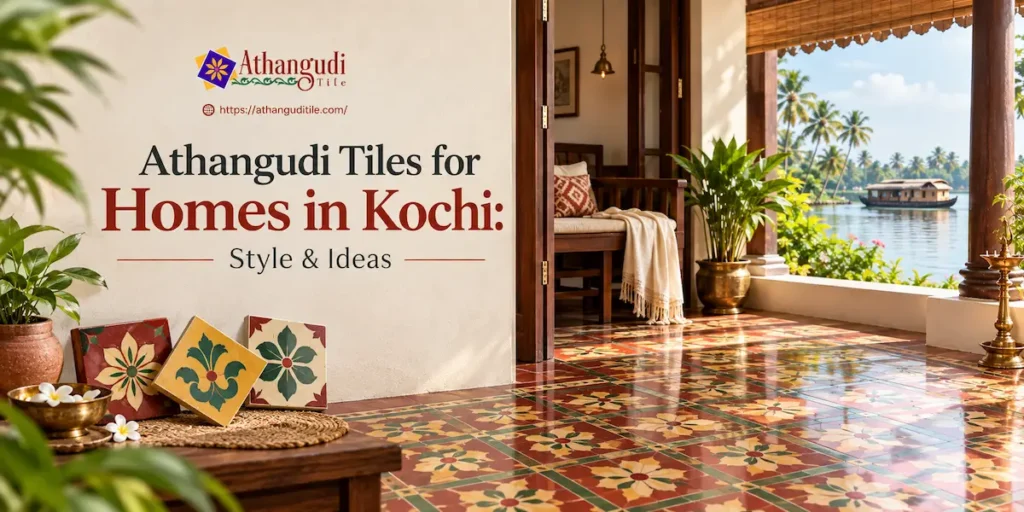
Athangudi tiles for homes in Kochi with colorful traditional flooring and Kerala-inspired interiors
Uncategorized

Athangudi Tiles for Homes in Kochi: Style & Ideas

Modern interior design, tropical environments, and traditional charm are frequently combined in Kochi residences. Selecting the appropriate flooring can assist in balancing these factors while giving a room coziness and a distinctive look. For homeowners seeking handcrafted surfaces with unique designs, vibrant colors, and a genuine Indian character, Athangudi Tiles for Homes in Kochi is a stunning choice.  Athangudi tiles are made with ancient methods and can be used in living rooms, kitchens, bedrooms, balconies, courtyards, and entryways. Instead of just being a useful flooring material, their patterned surfaces can become an integral component of the decor.  Homeowners comparing Athangudi Tiles in Kochi may find it easier to choose if they are aware of their designs, appropriate spaces, upkeep needs, installation specifications, and purchasing factors.  Why Athangudi Tiles Suit Kochi Homes Flooring that feels ornamental without overpowering the interior style of a Kochi home can be beneficial. Athangudi tiles provide this harmony through a variety of traditional color combinations and handcrafted patterns. Additionally, each tile may differ slightly due to its handcrafted appearance. These minor variations add to the finished floor’s personality and make it feel more unique than mass-produced.  Another advantage is design flexibility. Homeowners can choose bold geometric patterns for statement areas or softer motifs for spaces where they want a calmer appearance. “A beautiful floor does more than cover a room; it helps define the character of the space.” For people looking for traditional tiles for homes, Athangudi tiles can therefore be considered for both classic and contemporary interiors. Choosing Athangudi Tile Designs for Different Rooms The adaptability of Athangudi Tiles for Homes in Kochi is one of its main advantages. It is not necessary to utilize the same tile style over the whole property. Depending on the purpose of each area, various patterns and color combinations can be chosen.  Home Area Suitable Tile Approach Interior Effect Living Room Floral or geometric patterns Warm and decorative Entrance Bold traditional motifs Welcoming first impression Kitchen Balanced patterns Practical yet attractive Bedroom Soft colours and subtle designs Calm and comfortable Balcony Simple patterned tiles Fresh traditional look Courtyard Strong geometric designs Heritage-inspired character This approach allows homeowners to create visual variety while keeping the overall home connected through a traditional flooring theme. Living Room Ideas with Athangudi Tiles Decorative flooring is frequently best displayed in the living room. Simple furniture, wooden accents, neutral walls, and traditional décor can all be placed on an Athangudi floor with a pattern. A well-balanced tile pattern might keep the area from feeling crowded if it already has a number of ornamental components. Stronger geometric or floral designs might take center stage in a simpler space. Zones can also be created without completely covering the floor by covering specific portions with a rug. This is especially effective in bigger Kochi homes with an open layout between the dining and living areas.  Athangudi Tiles for Kochi Kitchens Kitchens require flooring that is both esthetically pleasing and useful for daily usage. An otherwise straightforward kitchen design can benefit from the addition of color and pattern provided by Athangudi tiles. Plain cabinets and subtle walls go well with patterned carpeting in contemporary kitchens. The earthy quality of handmade tiles can also be complemented by wooden cabinets. Before making a choice, homeowners should talk to the tile provider about the proper finish, installation technique, and maintenance needs because kitchen floors are frequently spilled on and cleaned.  Creating a Calm Bedroom Interior Softer graphic aspects are often better for bedrooms. Homeowners can think about muted pairings and simpler themes instead of choosing an extremely busy pattern. Wooden furniture, cotton fabrics, light curtains, and minimalist décor can all complement an Athangudi floor. This allows the flooring to add a unique, classic touch while yet creating a cozy atmosphere.  For homeowners searching for Athangudi tile designs for home, bedroom applications, they are worth considering when the goal is to combine traditional craftsmanship with a relaxed interior. Entrance and Foyer Design Ideas Visitors get their initial impression of a house from its entrance. This makes it the perfect place for a tile pattern that is more expressive. The foyer might be visually defined with a bold border or recurring pattern. Choosing colors that recur in the adjacent area might facilitate a more seamless transition if the entrance is directly connected to the living room. Large motifs might make the space appear visually crowded; therefore, a smaller design can be more appropriate for modest entrances.  Balconies and Courtyards Kochi’s home designs can include balconies, verandas, and open courtyards where traditional materials can create a natural connection between the built environment and outdoor areas. Athangudi floor tiles can add pattern to these spaces while complementing plants, wooden furniture, stone details, and earthy décor. For exposed areas, however, the tile’s suitability should be checked according to the exact location and installation conditions. Proper surface preparation and drainage are especially important for outdoor applications. How to Match Athangudi Tiles with Modern Interiors Athangudi tiles do not have to be limited to traditionally styled houses. They can also work in contemporary homes when used thoughtfully. A useful approach is to let the floor provide the pattern while keeping other major surfaces relatively simple. Plain walls, modern furniture, clean lighting, and natural wood can create a balanced combination. For example, a contemporary living room with neutral furniture can gain warmth from a patterned tile floor without requiring traditional furniture throughout the room. This makes handcrafted tile designs suitable for homeowners who want a home that combines modern functionality with Indian craftsmanship. Selecting Colours for Your Kochi Home Choice of colour depends on the size of the room, natural light, furniture, and other colours within the room. Different colours and combinations create moods. Cream, yellow, green, blue and other traditional earthy reds and brown combinations create various moods. In a small room, all lighter combinations will work better while deeper colours will make a stronger impact in larger ones. When deciding on tiles, view a complete sample with

Scroll to Top