
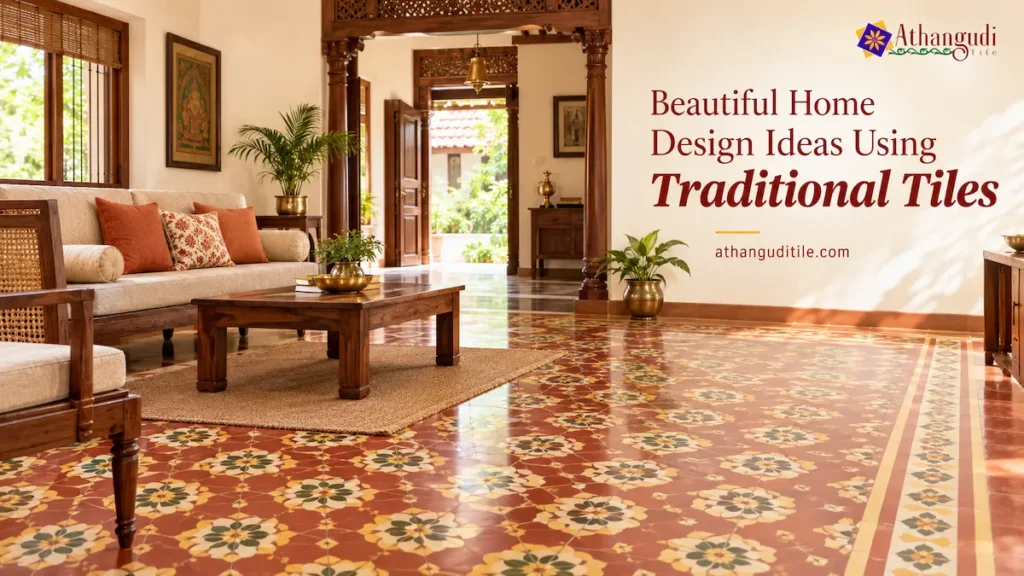
A beautiful home is just not about furniture, wall colors or decorative accessories. The flooring and surface of your wall also create that perfect ambiance. And traditional tiles allow one to add different colors, textures, patterns, and charm to the interiors of each space while still keeping the home warm and welcoming.
However, these days many homeowners are looking for materials that provide something a little different from the typical modern surfaces we see. Traditional tiles are an ideal option to ensure an individual look for your home interior. Their hand made aesthetic, gorgeous patterns, and unique hues blend well within both traditional and contemporary interiors.
Whether it is a living space, kitchen or bathroom, bedroom, entrance or courtyard, there are multiple ways in which traditional tile designs can be incorporated into a home without it looking old fashioned. With their colors, patterns, and ideal placement, these tiles add to the visual appeal of modern interiors.
Why Traditional Tiles Still Work in Modern Homes
But traditional doesn’t have to mean boring. Many traditional contemporary rooms use basic furniture, neutral walls, and plain walls with ornate traditional decorating tile to add interest while not making it feel overly full. When looking at traditional tiles for the home there is a large selection of choices when it comes to traditional patterns, colors, and finishes.A patterned tile floor can add character to a room that might otherwise be plain, and a bright color wall tiled makes an attractive feature wall behind furniture.
Traditional tiles can also be incorporated in small areas without full tile covering in a room, on a decorative border, a brightly colored tiled front door, or even just using a little corner or dividing wall space in a contrasting tile pattern.
“The right tile does more than cover a surface; it helps create the feeling of a room.”
Make the Living Room More Welcoming
Traditional Tiles for Living Room Spaces This is one of the most overexposed rooms in your home. It’s also a great space to add some decorative floor tiles. Rather than having a uniform floor finish throughout the whole room, try creating a pattern to break the design up a little.
Traditional tiles for the living room work particularly well if your walls and furniture are very plain and uniform.
If your tiles are multicolored, this can be offset with large amounts of lightly toned furniture. You could also just add the traditional tiles to a small section of the room, possibly a pattern in front of the coffee table, or as a decorative stripe around the edge of the room. For a more contemporary look, combine traditional flooring with modern, simple furniture and a fairly minimal decoration scheme.
Add Character to the Kitchen
The kitchen is another space where traditional tiles can make a strong visual difference. A patterned backsplash behind the cooking area can become a focal point while protecting the wall from everyday splashes.
Traditional tiles for kitchen spaces can be selected according to the existing cabinets and countertops. If the kitchen has white or cream cabinets, colorful patterns can add energy. For darker cabinets, lighter tile designs can help maintain an open appearance.
Homeowners can also use tiles on the floor. A small patterned section near the sink or cooking area can create a decorative zone while keeping the rest of the kitchen simple.
When choosing kitchen tiles, consider cleaning and maintenance along with appearance. A beautiful design should also suit the practical requirements of a frequently used space.
Create a Calm Bedroom Setting
Bedrooms usually benefit from softer colors and less visual activity. Traditional tiles do not always have to be bright or heavily patterned. Subtle patterns and muted shades can introduce character while maintaining a peaceful atmosphere.
Athangudi tiles for home interiors can be used as a decorative feature around a dressing area, reading corner, or small wall section. If patterned flooring is preferred, choose a design that works well with plain bedding and simple furniture.
A carefully selected tile design can also complement natural materials such as wood, cotton, linen, and cane. These combinations can make the bedroom feel comfortable and connected to traditional craftsmanship.
The goal is not to fill every surface with patterns. One carefully planned tiled element can often create enough personality for the room.
Give the Bathroom a Distinctive Look
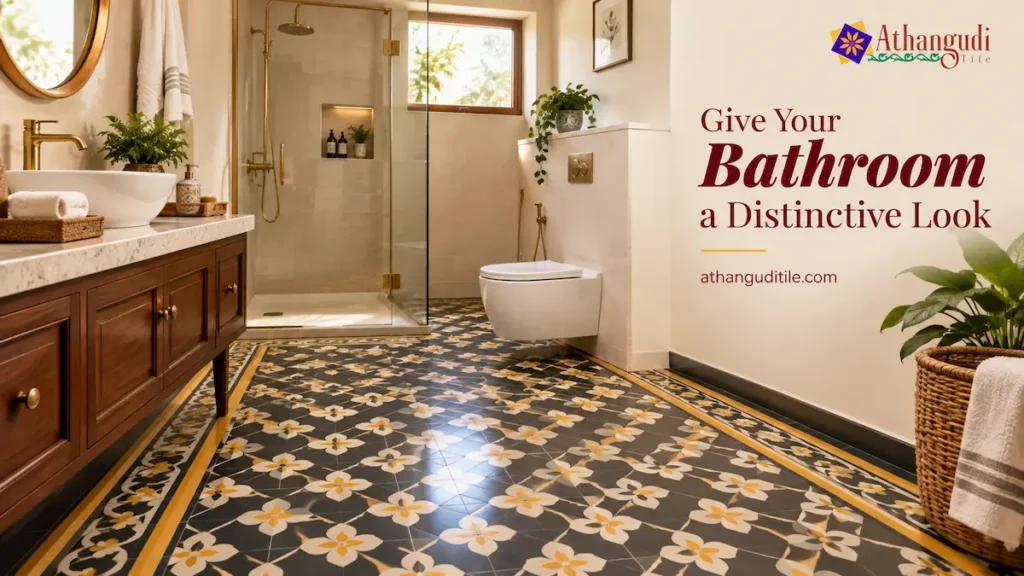
Bathrooms are ideal for experimenting with decorative surfaces because even a small area can create a noticeable design effect. Traditional tiles can be used on floors, shower walls, vanity backsplashes, or selected wall sections.
For a compact bathroom, lighter-colored tiles can help the area feel more spacious. In larger bathrooms, stronger patterns can be introduced as a feature wall or floor design.
Traditional tile designs can also be combined with brass fittings, wooden accents, natural stone, or simple white sanitaryware. These combinations allow the tiles to remain the main decorative element while keeping the bathroom visually balanced.
Before selecting bathroom tiles, homeowners should consider slip resistance, water exposure, cleaning requirements, and the suitability of the tile for the intended surface.
Turn the Entrance into a Design Feature
The entrance gives visitors their first impression of a home. Instead of keeping this area completely plain, traditional tiles can create an attractive transition between the outside and inside.
A patterned floor at the entrance can immediately introduce the home’s design style. Alternatively, a small tiled border can frame the doorway or entry path.
This is also a useful place to use stronger patterns because the entrance usually does not contain as much furniture as a living room or bedroom. A carefully chosen design can make the space memorable without requiring additional decoration.
Bring Traditional Style to Courtyards and Open Areas
Courtyards, balconies, and semi-open spaces can benefit from decorative flooring. Traditional tiles can add warmth to these areas and create a stronger connection between indoor and outdoor spaces.
For homeowners interested in traditional floor tiles for home, courtyard flooring is an excellent area to consider. Patterned tiles can define seating areas, walking paths, or small garden corners.
Pairing traditional tiles with plants, wooden seating, woven furniture, and warm lighting can create a relaxed environment. The result can feel decorative without being overly formal.
Combine Classic Patterns with Modern Furniture
One of the easiest ways to make traditional tiles feel current is to combine them with contemporary furniture. A patterned floor does not require traditional furniture throughout the room.
For example, a simple sofa, modern coffee table, clean curtains, and contemporary lighting can be paired with decorative tiled flooring. The contrast allows the tile pattern to stand out while the rest of the room remains fresh.
This approach is especially useful for homeowners who love traditional craftsmanship but prefer modern interior layouts.
Choose Colors That Work with Your Space
Color selection can significantly affect how traditional tiles appear in a room. Before choosing a design, look at the existing wall paint, furniture, curtains, doors, and natural light.
For a calm interior, earthy shades, creams, soft greens, and muted blues can work well. If the room is mostly neutral, stronger tile colors can add a lively focal point.
Athangudi tile designs are also known for decorative patterns and handcrafted character. When selecting a design, think about the overall mood you want rather than choosing a pattern simply because it looks attractive on its own.
A good tile design should feel connected to the rest of the room.
Use Tiles Strategically Instead of Everywhere
More decoration does not always mean better design. Using traditional tiles strategically can often produce a more sophisticated result.
Instead of tiling every wall, select one feature area. Instead of using a strong pattern across an entire floor, consider a border or central design. This approach keeps the room balanced and gives the tile a clear visual purpose.
For smaller homes, strategic placement can also prevent interiors from feeling visually busy. A decorative backsplash, entry floor, or small feature wall may be enough to introduce traditional style.
Think About Quality, Installation, and Maintenance
Design is important, but homeowners should also think about practical details before purchasing tiles. The intended location, surface condition, installation method, cleaning routine, and expected use should all be considered.
Handcrafted tiles can have unique variations in shade, pattern, or texture. These natural differences can be part of their character, but buyers should understand them before installation.
It is also important to order enough tiles for the project and keep some extra pieces for possible future repairs. Professional installation can help achieve better alignment, spacing, and finishing.
Create a Home That Feels Personal
A home becomes more attractive when its design reflects the personality of the people living in it. Traditional tiles offer an opportunity to introduce craftsmanship and decorative detail without relying on excessive accessories.
Whether you choose a colorful kitchen backsplash, a patterned living room floor, a subtle bedroom feature, or a decorative courtyard, the important thing is to select a design that fits your lifestyle.
Traditional tiles can work with many interior styles when they are planned carefully. Their patterns can add visual interest, while their handcrafted appearance can give ordinary spaces a more individual identity.
“Good interior design is not about following one style; it is about creating a space that feels right for the people who live there.”
Final Thoughts
Traditional tiles can bring a distinctive combination of pattern, color, craftsmanship, and warmth into modern interiors. They can be used in almost every part of a house, from the living room and kitchen to bedrooms, bathrooms, entrances, and outdoor areas.
The key is to choose designs according to the room, balance decorative patterns with simpler elements, and consider practical requirements before installation. Whether you want a bold patterned floor or a small handcrafted feature, traditional tiles can become an important part of your home’s overall design.
With thoughtful planning, traditional tiles for home interiors can create spaces that feel comfortable, expressive, and visually interesting for everyday living.
Frequently Asked Questions
1. Are traditional tiles suitable for modern homes?
Yes. Traditional tiles can work well in modern homes when combined with simple furniture, neutral walls, contemporary lighting, and uncluttered layouts. This combination creates a balanced mix of classic detailing and modern design.
2. Where can traditional tiles be used in a home?
They can be used in living rooms, kitchens, bedrooms, bathrooms, entrances, balconies, courtyards, and other suitable areas. The right tile type should be selected according to the surface, location, and practical requirements.
3. Can traditional tiles make a small room look attractive?
Yes. Using a carefully selected pattern in a limited area can add character without making the room feel crowded. Lighter colors and controlled patterns can also help maintain an open visual appearance.
4. How can I match traditional tiles with modern furniture?
Keep the furniture relatively simple when the tiles have strong patterns. Neutral sofas, wooden furniture, plain curtains, and minimal accessories can allow the tile design to become the main visual feature.
5. What should I consider before choosing traditional tiles?
Consider the room, tile size, colors, pattern, surface requirements, maintenance, installation method, durability, and overall interior style. It is also useful to check how the selected tile looks with your existing furniture and wall colors.